
Liposuction: Body Contouring with Safe, Modern Techniques
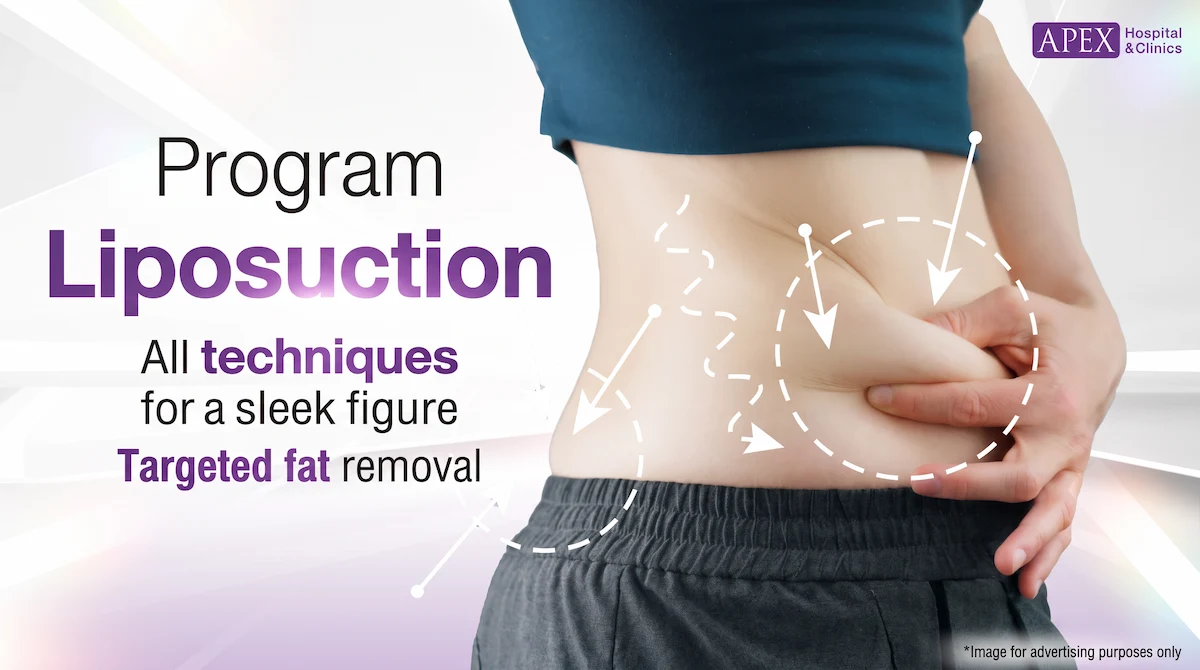
Stubborn pockets of fat bother a lot of people, whether on the belly, upper arms, thighs or under the chin, and they can knock your confidence in what you wear and how you feel day to day. That is why liposuction remains one of the most popular procedures: it removes excess fat precisely where you want it gone, and quickly. Here we look at the latest liposuction techniques and what you should know before deciding to have it done.
What Is Liposuction?
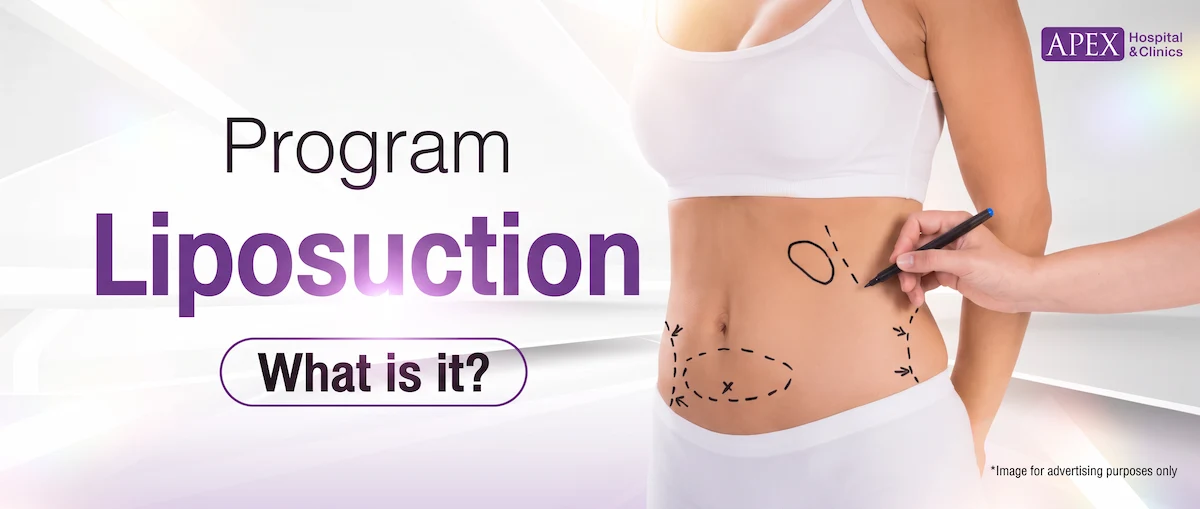
Liposuction is a cosmetic surgery that removes excess fat from the body using specialised instruments. It is popular with people who want a more balanced, proportionate figure, but it is not a weight-loss method: it only reduces fat in specific problem areas. The surgeon inserts a thin tube called a cannula into the fat layer beneath the skin, and the fat is then removed with a vacuum suction device. This reduces fat in the area being contoured.
Who Is a Good Candidate for Liposuction?
- People with localised fat deposits, for example on the abdomen, thighs, upper arms, hips or under the chin, or in areas that are hard to slim down even with exercise and diet.
- People whose weight is stable. Liposuction is not suited to those who need to lose a lot of weight, but works well for people with a normal or near-normal BMI.
- People with good skin elasticity: firm skin is less likely to sag after the procedure.
- People in good health without serious chronic conditions such as heart disease, diabetes or a bleeding tendency, which can increase the risks of the procedure.
- People with realistic expectations: liposuction improves your shape, but it is not a primary way to lose weight.
- People ready to look after themselves afterwards, for example by wearing a compression garment, doing light exercise and watching their diet so the fat does not come back.
Who Should Not Have Liposuction?
- People with uncontrolled chronic conditions, such as poorly controlled diabetes, severe cardiovascular disease or uncontrolled high blood pressure.
- People with blood clotting disorders, a bleeding tendency, or who take blood thinners regularly.
- People with an active infection, which can increase the risk of complications after surgery. Women who are pregnant or breastfeeding should also avoid this type of procedure.
- People with a very high body mass index (BMI): liposuction is not the main option for weight loss in people with severe obesity.
- People with very loose skin: without a skin-tightening procedure alongside it, liposuction may make existing sagging look worse.
Benefits and Limitations of Liposuction
Benefits of Liposuction
- Removes excess fat from targeted areas, ideal for people with stubborn spots that are hard to slim down.
- Firms and reshapes the body, reducing volume for a slimmer, more proportionate figure.
Fast results: changes are visible right after the procedure and become more defined within 3–6 months. - Fat in the treated areas does not come back, as long as you maintain a healthy weight.
- The removed fat can be used to add volume elsewhere in the body, for example through facial fat grafting or hip augmentation.
Limitations of Liposuction
- It is not a weight-loss method: it is designed for body contouring, not for weight loss in people who are significantly overweight.
- Swelling, bruising or numbness may occur; these usually improve within a few weeks.
- Recovery time is needed: you may have to take time off work or avoid strenuous activity for about 1–2 weeks.
- The skin may sag after the procedure, especially in older patients or those with less firm skin.
- Aftercare is required, such as wearing a compression garment, watching your diet and exercising to prevent new fat build-up.
Which Areas Can Be Treated with Liposuction?
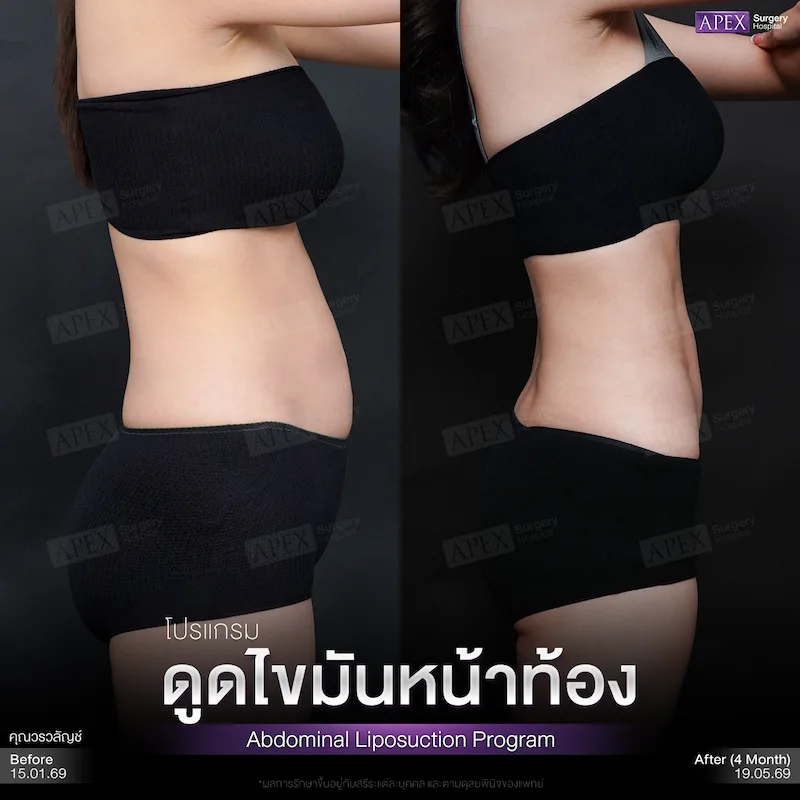
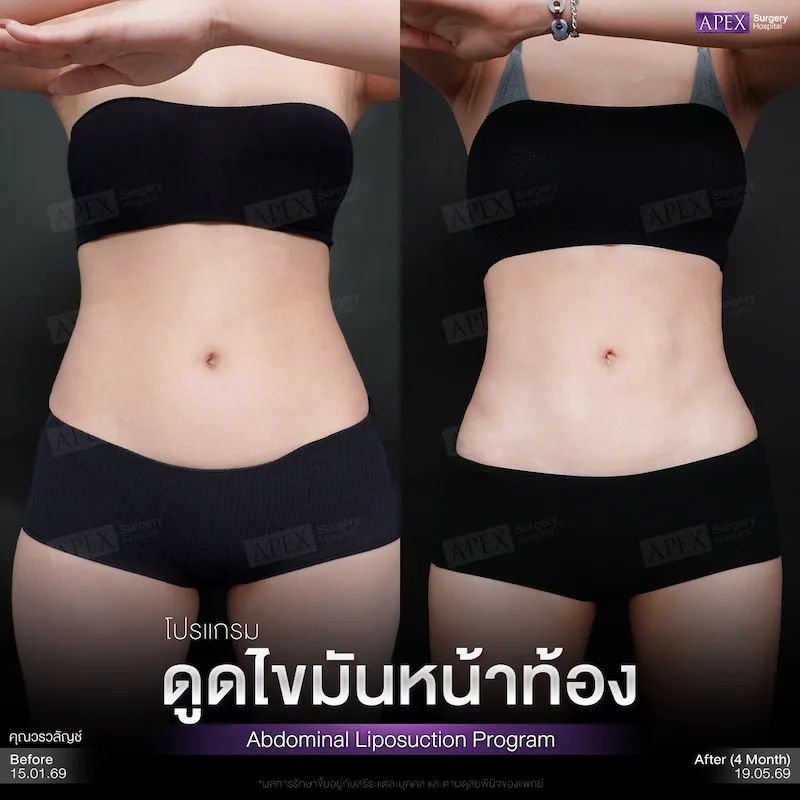
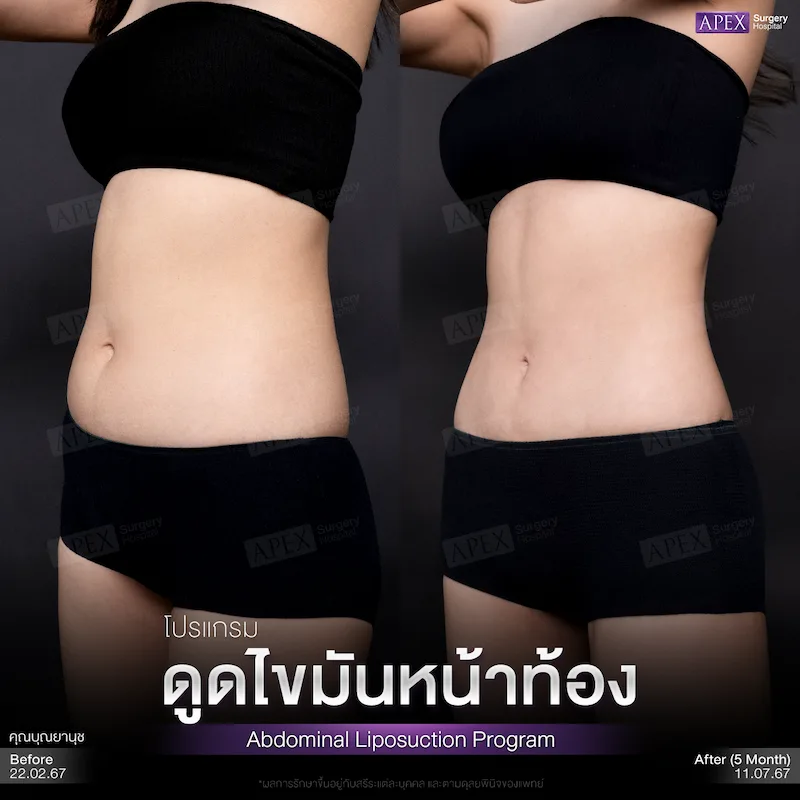
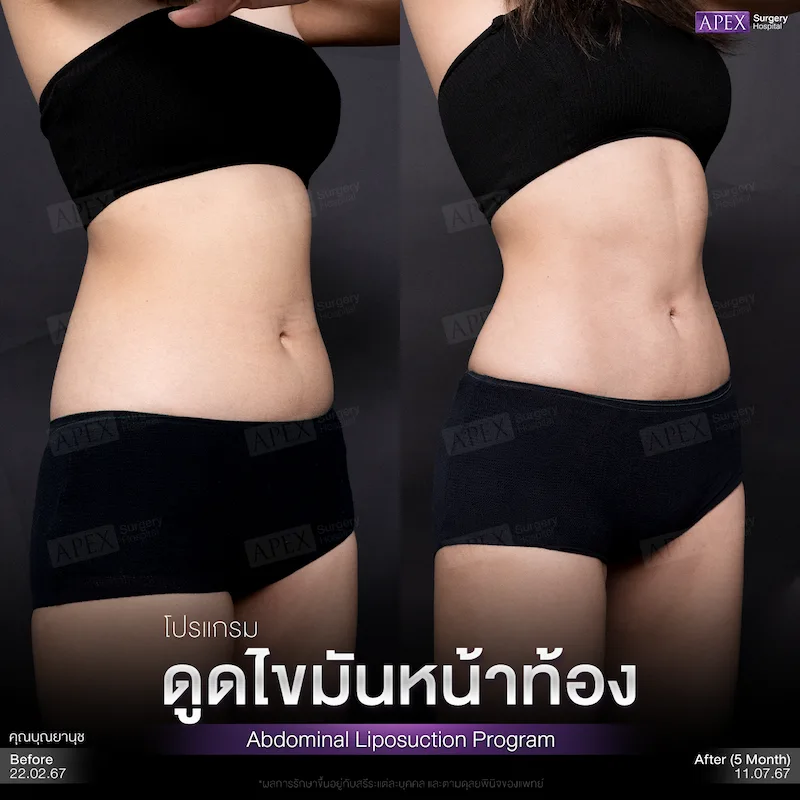
- Abdominal liposuction removes excess fat from the upper and lower abdomen for a flatter profile.
- Waist liposuction creates curves and adds a sexier silhouette.
- Hip liposuction refines the size and shape of the hips so they are in proportion with the waist and thighs.
- Back liposuction reduces excess fat so clothes fit and look better.
- Arm liposuction reduces excess fat for slimmer, firmer arms.
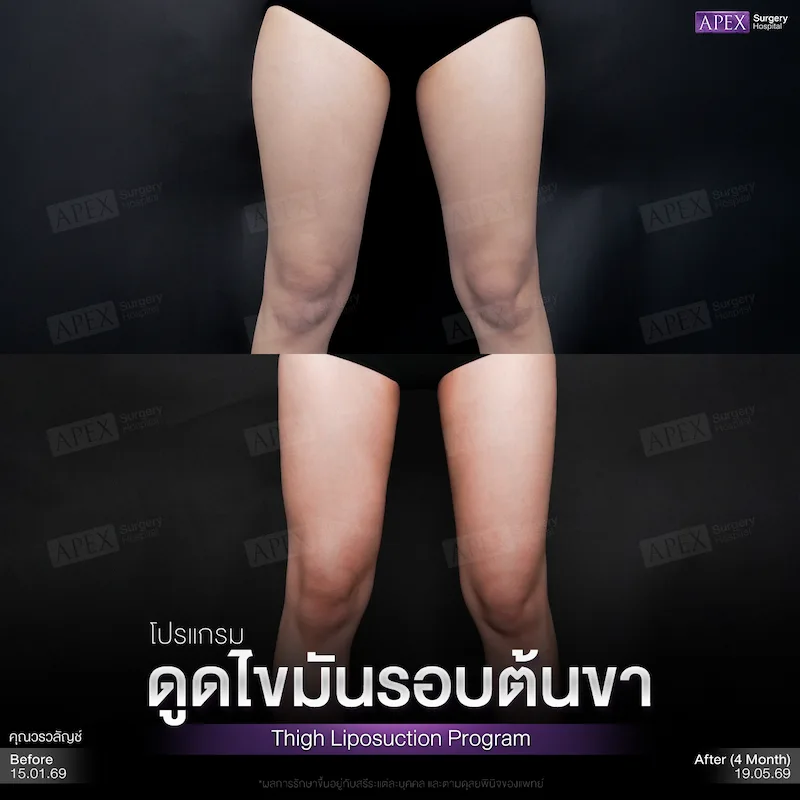
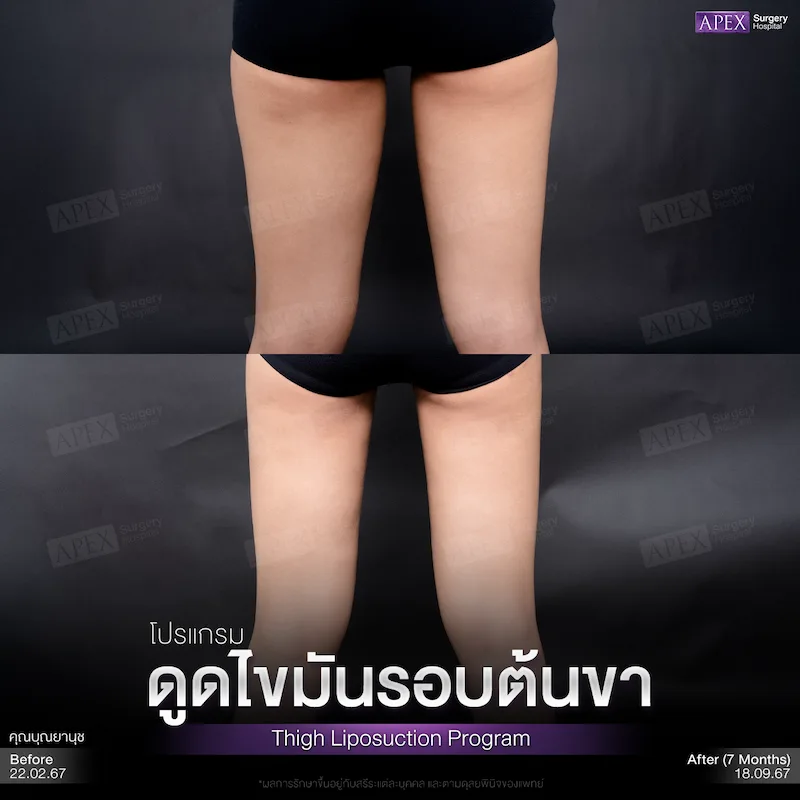
- Thigh liposuction reshapes the inner and outer thighs and removes the excess fat that makes the thighs rub together.
- Double chin liposuction removes fat under the chin and on the neck for a sharper facial contour and jawline.
- Facial liposuction slims and refines the face for better proportions.
What Liposuction Techniques Are There?
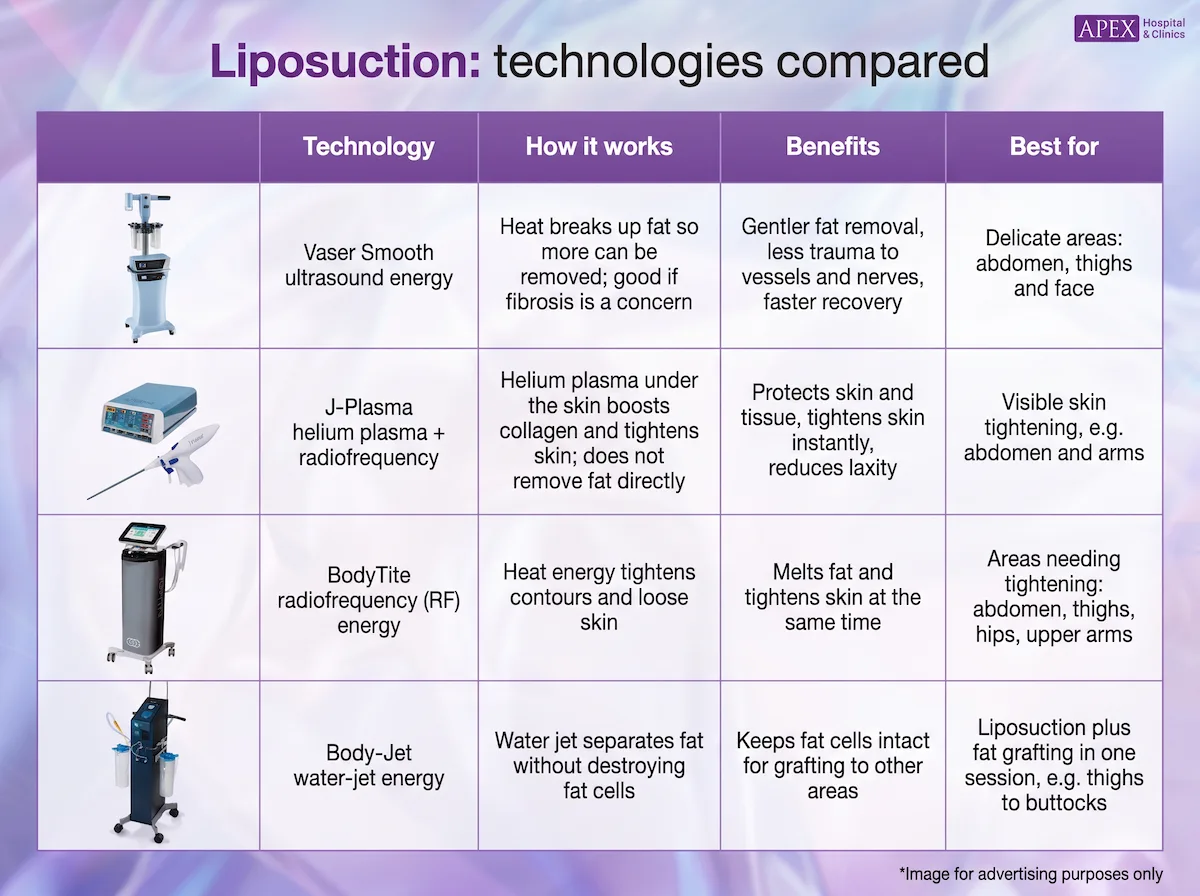
Traditional Liposuction
J-Plasma Liposuction
Vaser Liposuction
Body-jet Liposuction
MicroAire Liposuction
LAMS Liposuction (Local Anesthesia Mini-Liposuction)
Preparing for Liposuction to Reduce the Risk of Side Effects
- Consult an experienced specialist and have a health check to confirm you are fit for surgery. Tell your doctor about any chronic conditions and medications you take.
- Stop supplements and medications that affect blood clotting: avoid aspirin, vitamin E, ginseng, garlic and fish oil for at least 1–2 weeks before the procedure.
- Stop smoking and drinking alcohol to lower the risk of infection and help your wounds heal faster.
Prepare comfortable clothing for the day of surgery: loose, easy to put on and not too tight. - Arrange a place to recover and someone to look after you; if several areas are treated, you should have help during recovery.
- Drink enough water and get plenty of rest so your body recovers faster after surgery.
The Liposuction Procedure Step by Step
Each technique differs in some details, but the main steps of liposuction are generally similar:
- Consultation and planning. First, the doctor assesses the patient’s health, the amount of fat to be removed and the condition of the skin, then chooses the most suitable liposuction technique.
- Anesthesia. The patient receives local anesthesia combined with sedation, or in some cases general anesthesia, depending on the area treated and the amount of fat removed.
- Tumescent fluid injection. The surgeon injects tumescent fluid into the treatment area. This fluid contains an anesthetic and a vasoconstrictor to reduce pain and blood loss during surgery.
- Fat removal. When a special technology is used (such as Vaser or Body-jet), energy is first delivered to liquefy the fat. The surgeon then inserts a small cannula through an incision and carefully suctions out the loosened or excess fat.
- Closing the incisions and fitting the compression garment. Once the planned amount of fat has been removed, the doctor closes the incisions with dissolvable or regular sutures, and the patient is fitted with a compression garment straight away. This reduces swelling and bruising and helps the skin in the treated area contract and settle onto the underlying structures.
Aftercare for Long-Lasting Liposuction Results
- Wear a compression garment as your doctor advises to reduce swelling and help the skin tighten faster.
- Avoid strenuous exercise at first: allow about 2–4 weeks of recovery before returning to workouts.
- Drink plenty of water and eat a healthy diet to help your body clear waste and recover faster.
- Avoid smoking and alcohol for at least 1 month to prevent infection and help wounds heal faster.
- Have lymphatic massage as your doctor recommends to reduce fibrosis and achieve a more natural-looking result.
- Maintain your weight and exercise regularly to prevent fat from returning and keep your figure in shape.
Why Choose APEX Surgery Hospital for Liposuction?
- Advanced technology. We use modern surgical technology that helps reduce potential side effects and shorten recovery time.
- Experienced specialists. Our team of doctors is highly experienced and specialises in cosmetic surgery.
- Patient safety. Patient safety is our top priority. Our liposuction hospital is fully licensed by the Thai Ministry of Public Health, license no. 10202000367.
- Satisfying results. We are committed to delivering results that match each patient’s goals, and we have before-and-after reviews you can see before you decide.
- Comprehensive care. We take care of you from consultation and surgery through to post-operative care, so you are happy with your results.
Verify the hospital’s standards with the Division of Health Facilities and Practice of the Healing Arts
How Much Does Liposuction Cost?
Liposuction prices vary by body area and may also differ depending on the technique used. At APEX Surgery, liposuction starts from 40,000 baht, as follows:
Thigh Liposuction
- Thigh (Inner thigh / Outer thigh / Front thigh / Back thigh) – start – 60,000 Baht/area
- 360 Thigh Circumference – start 180,000 Baht
Abdomen and waist Liposuction
- Whole Abdomen – start 120,000 Baht
- Whole Waist – start 150,000 Baht
- Whole Abdomen and Waist – 200,000 Baht
Upper arm Liposuction
- 360 Upper Arm – start 60,000 Baht
- 360 Upper Arm and Braline 100,000 Baht
Facial contour liposuction and Facial fat grafting
- Facial Liposuction (Lower cheeks/Jawline/Double chin) – start 40,000 Baht/area
- Fat transfer to face – start 40,000 Baht/area
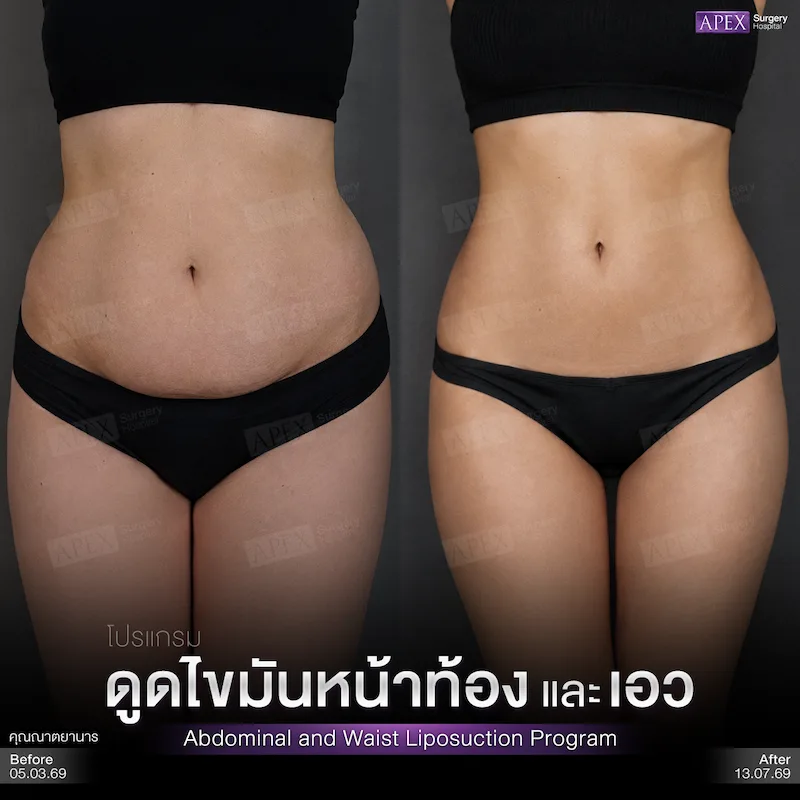
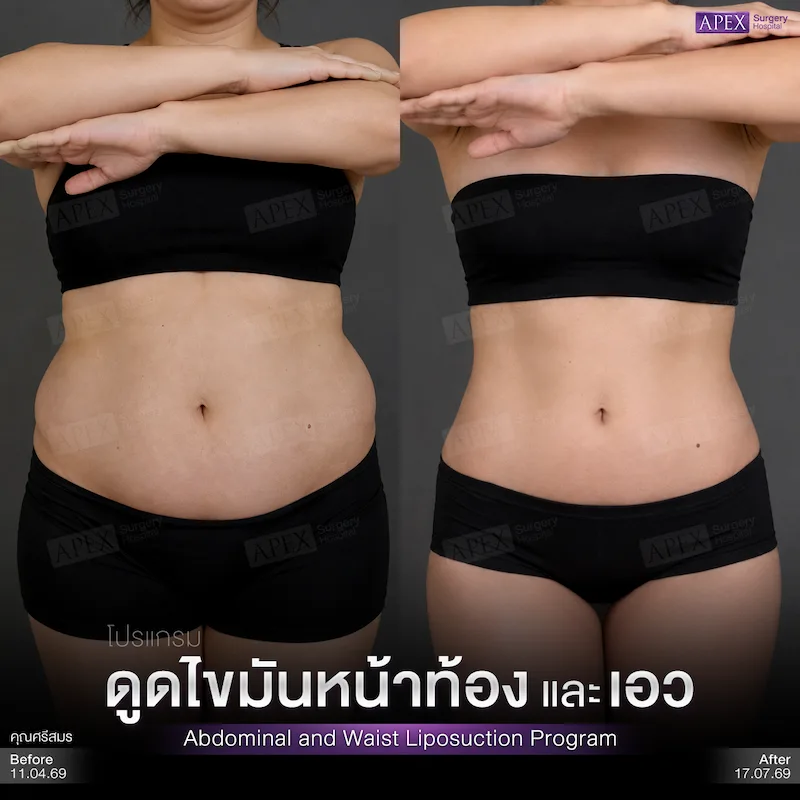
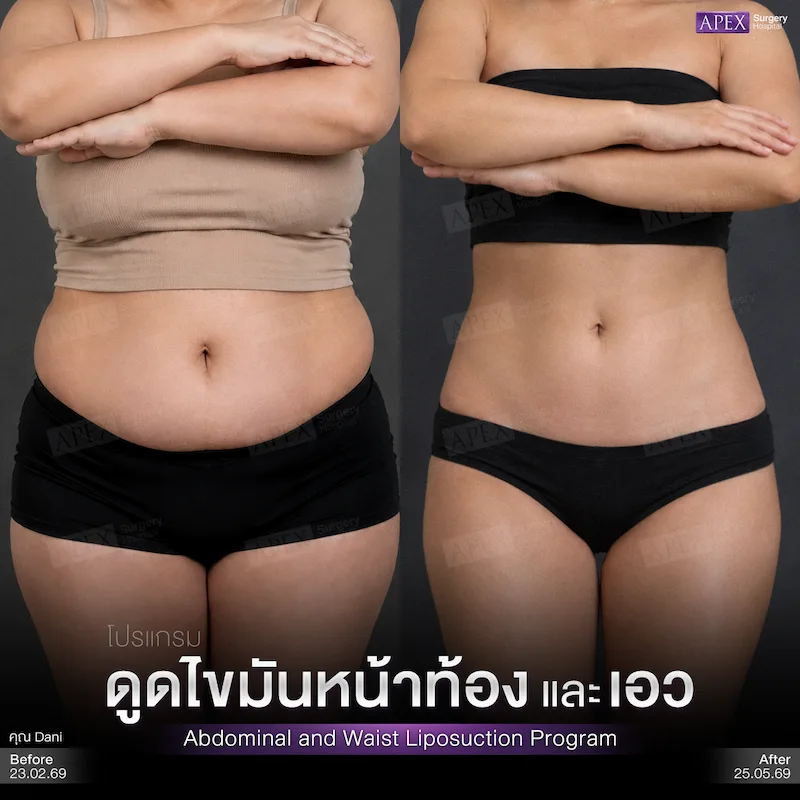
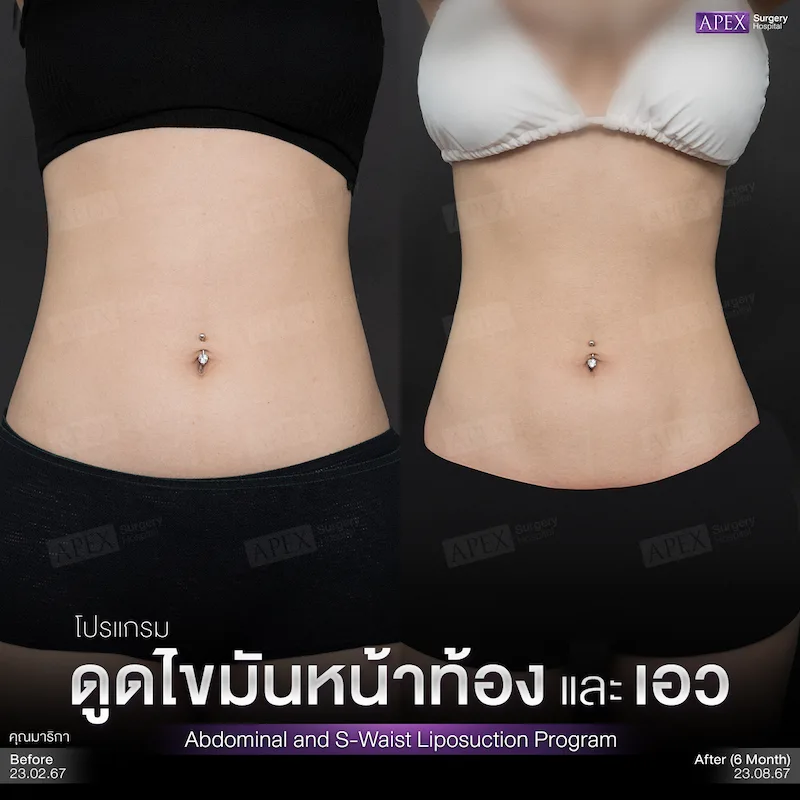
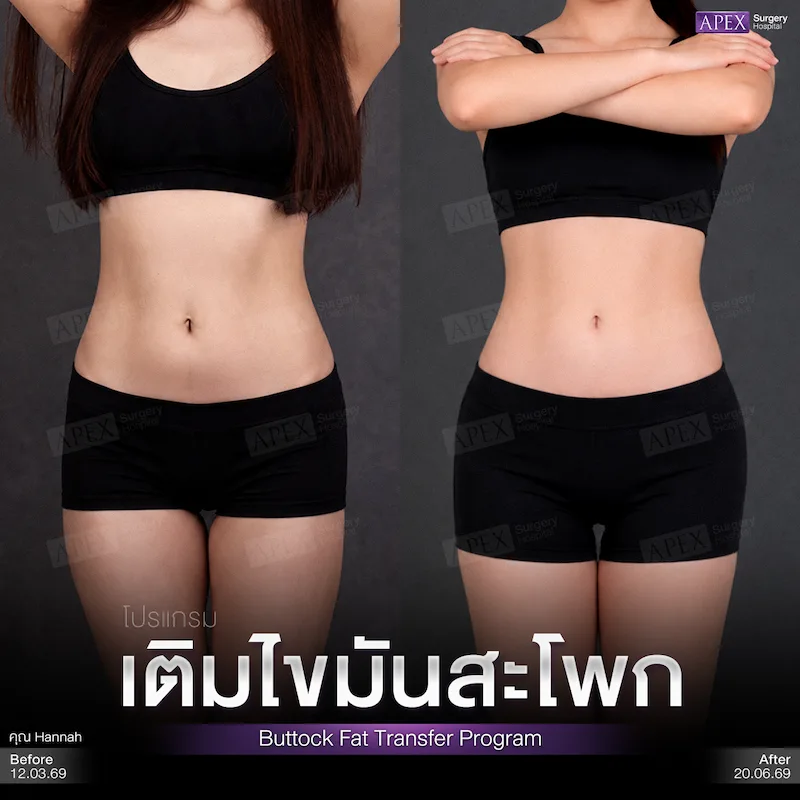
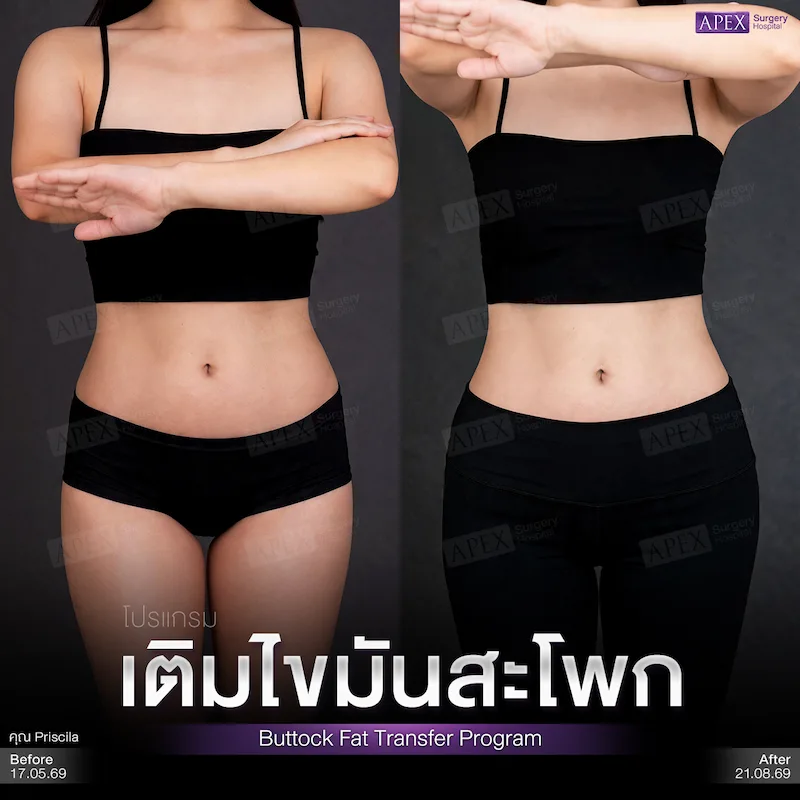
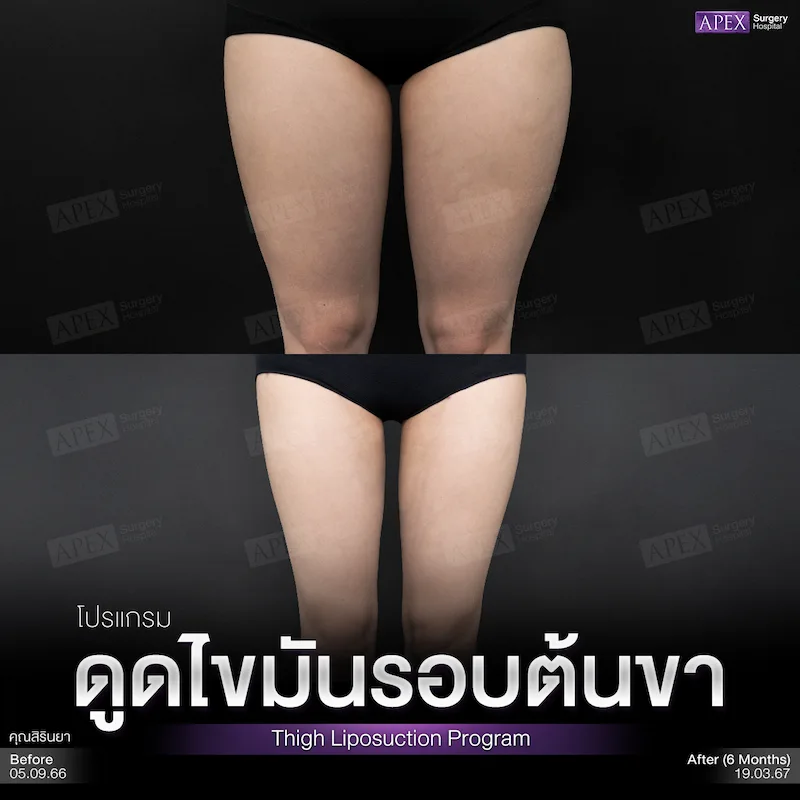
Liposuction Before and After Reviews
Results vary from person to person. These are examples of treatment results for individual patients.
Frequently Asked Questions About Liposuction
Does liposuction hurt?
Local or general anesthesia is used during the procedure, so you will not feel pain while it is being done. Afterwards, you may have pain, swelling and bruising during the first 1–2 weeks, which can be relieved with painkillers. How much discomfort you feel varies from person to person, depending on how much fat is removed and the technique used.
How long is the recovery after liposuction?
In general, patients can return to light daily activities and non-physical work within 1–3 days, but they need to be especially careful. Strenuous exercise and heavy physical activity should be avoided for about 4–6 weeks.
How long does swelling last after liposuction?
Swelling peaks in the first week and then gradually goes down. Visible swelling subsides in about 4–6 weeks, and the remaining mild swelling resolves by months 3–6, when the final result becomes clear.
How long do I need to wear a compression garment after liposuction?
You need to wear the compression garment 24 hours a day, except when showering, for roughly the first 4–6 weeks. After that, your doctor may advise wearing it for fewer hours. The compression garment is very important for reducing swelling and helping the skin contract back into place.
Can fat from liposuction be injected into the face?
Yes. This is called autologous fat transfer, or fat grafting. The removed fat is processed to obtain pure fat cells suitable for injection. Facial fat grafting can fill wrinkles and deep folds or add fullness to the face.
Is fat removal from liposuction permanent?
Liposuction permanently removes fat cells from the body, but if you do not keep your lifestyle in check, including diet and exercise, fat can return and you may gain weight again. To maintain your shape after the procedure, keep your weight under control and exercise regularly.
Can I have liposuction again after a previous one?
Yes. This is called revision liposuction, usually done to correct irregularities or remove remaining fat. The area treated the first time must be fully healed beforehand, and a revision case should always be discussed with your doctor.
Liposuction: Summary
Liposuction is an effective treatment for removing excess fat that resists exercise and diet, especially for reshaping the body into better proportions with more defined contours. Its benefits are clear results in the treated area and modern techniques that reduce trauma and help tighten the skin. Its limitations are that it is not a weight-loss option, and patients must be prepared for the risks of surgery and follow aftercare instructions closely.
If you are interested in liposuction at APEX Surgery Hospital, feel free to contact us for more information. We promise to give everyone the best possible experience.
Contact Information
- Tel : 085 000 2001
- Line : @apexbeauty
- Tiktok : apexprofoundbeauty
- Facebook : APEX Hospital & Beauty Clinic
- Instagram : apexbeauty
- Youtube : Apex Beauty Clinic
- X (Twitter) : ApexProfound