
Breast Augmentation: Techniques, Silicone Choices, and Pricing
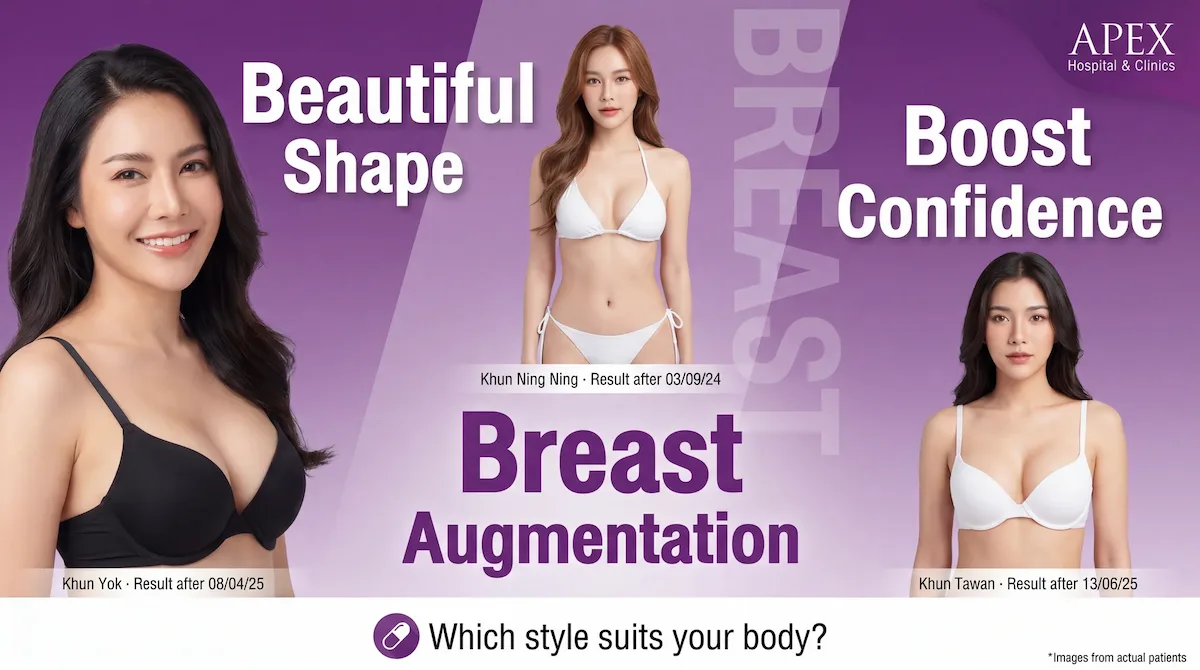
Breast augmentation is a transformative surgical procedure that enhances self-confidence and elevates your overall personality and physical silhouette. This comprehensive guide provides all the essential information you need, from surgical techniques and silicone selection to preparation and recovery, ensuring a beautiful and safe result.
What is Breast Augmentation?
Gaining a clear understanding of what breast augmentation entails is the first step toward achieving the balanced and proportionate look you desire. This surgical journey combines medical precision with aesthetic artistry to help you feel more confident in your own skin.
Breast Augmentation is a surgical procedure designed to increase the size or refine the shape of the breasts to better suit the body’s proportions and meet individual goals. This surgery helps build confidence and corrects issues related to uneven size or shape by using enhancement materials, such as silicone gel or autologous fat (fat grafting), ensuring results are both aesthetically pleasing and medically safe.
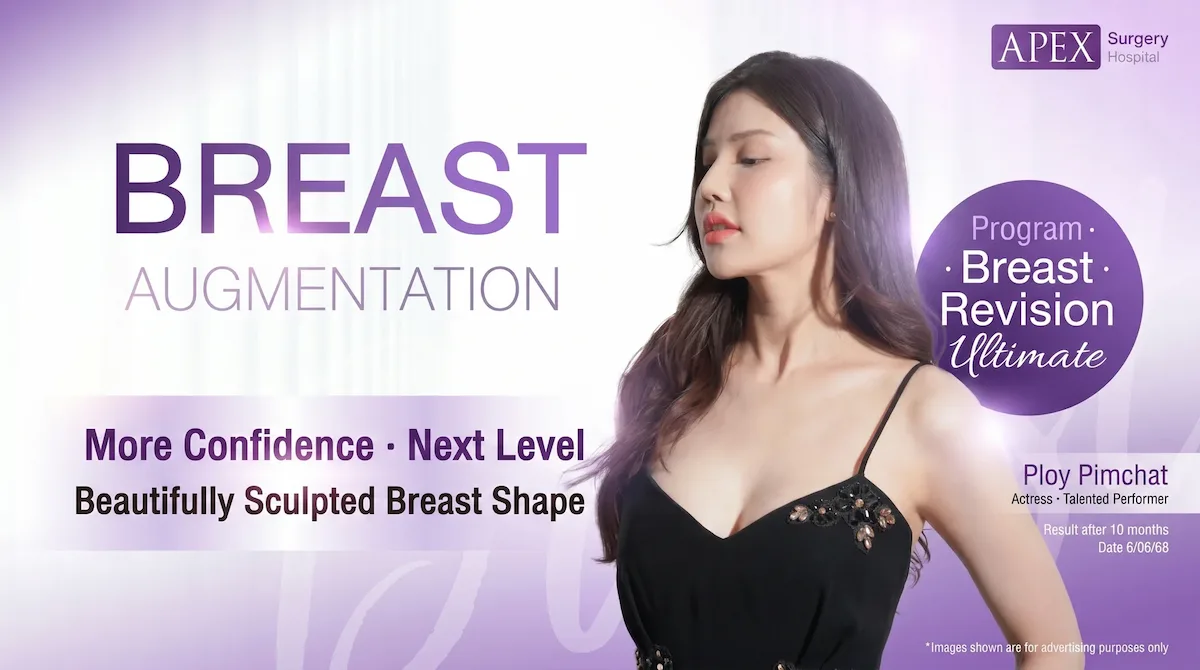
What are the Techniques for Breast Augmentation?
Understanding the various surgical placement methods is essential for achieving a result that aligns perfectly with your anatomy and aesthetic goals. Your surgeon will recommend the best approach based on your skin elasticity, existing breast tissue, and desired outcome.
- Submuscular Placement: This technique places the silicone implant partially underneath the chest muscle. It provides more coverage for the implant, resulting in a natural look and reducing the risk of capsular contracture. It is ideal for individuals with thin breast tissue or those seeking a soft, natural feel.
- Subglandular Placement: The implant is placed above the muscle but beneath the breast tissue. This method is suitable for those who already have a significant amount of breast tissue, as it directly increases fullness and offers a faster recovery time. However, it may appear less natural in patients with very thin skin.
- Dual Plane: This is a highly popular hybrid technique where the upper part of the implant is placed under the muscle for a seamless look, while the lower part is placed above the muscle for a natural teardrop sag. It provides beautiful results and reduces the issue of the implant moving when the chest muscles are flexed.
- Subfascial Placement: The implant is placed under the thin fascia layer that covers the chest muscle. This serves as a middle ground between subglandular and submuscular techniques, effectively hiding the edges of the implant while offering less pain and a faster recovery than direct submuscular placement.
What are the Different Types of Breast Implants?
The surface texture of a silicone implant is a critical factor that affects tissue adhesion, the risk of capsular contracture, and the overall tactile sensation. Modern medical technology offers three primary surface types, each designed to meet specific clinical and aesthetic needs.
- Smooth Surface Silicone: These implants have a slick, smooth surface that allows them to move freely within the breast pocket, providing the softest and most natural movement. While they offer a gentle feel, they may carry a slightly higher risk of capsular contracture if the body reacts to the implant. They are most commonly used in submuscular placements.
- Textured (Sand) Surface Silicone: Designed with a rougher surface to better grip the surrounding tissue, these implants significantly reduce the risk of displacement or rotation. This makes them the ideal choice for teardrop-shaped implants, which must stay in a specific position to maintain the correct aesthetic.
- Micro-textured (Velvet) or Nano-textured Silicone: This advanced technology features a fine, velvet-like surface that combines the benefits of both smooth and textured implants. It provides a soft, natural touch while maintaining a high safety profile against capsular contracture and displacement, making it a popular modern choice for patients.
Compare the textures of silicone
| Silicone Surface Type | Advantages | Limitations | Best Suited For |
|---|---|---|---|
| Smooth Surface |
|
| Those who prioritize natural movement and a very soft touch. |
| Textured (Sand) Surface |
|
| Those concerned about capsular contracture or who have had previous implant displacement issues. |
| Micro-textured (Velvet) Surface |
|
| Those seeking a balance between a soft feel and the ability to reduce clinical risks. |
Types of Breast Augmentation Surgery
Breast augmentation is a widely popular cosmetic surgery designed to enhance the size and shape of the breasts for a more proportionate look. There are currently several techniques and materials available, each with unique advantages and limitations tailored to individual needs and body types.
- Silicone Breast Augmentation: This is the most popular method, involving the surgical insertion of medical-grade silicone implants to increase breast volume. Silicone comes in various shapes (round or teardrop), textures, and sizes, providing highly visible and long-lasting results.
- Fat Grafting Breast Augmentation: This technique involves liposuctioning excess fat from other body areas, such as the abdomen or thighs, purifying it, and then injecting it into the breasts. It offers a very natural result using the patient’s own tissue while simultaneously reducing fat in donor areas.
- Hybrid Breast Augmentation: A combination technique that uses both a silicone implant and fat grafting. This allows the patient to achieve the desired volume from the implant while using fat to soften the edges, especially in the cleavage area, for a more seamless and natural appearance.
Comparing Breast Augmentation Materials
Modern breast surgery primarily utilizes two types of materials: silicone gel and autologous fat. Each material possesses distinct properties and suitability depending on the patient’s aesthetic goals and physical characteristics.
- Silicone Gel: This is the most popular material because it provides clear results, creates a beautiful shape, and is highly durable. It is ideal for those wanting a significant increase in size or a more defined breast contour.
- Autologous Fat: Breast fat grafting is an excellent alternative for those seeking a natural result and only a slight increase in size. While it uses the body’s own cells, a limitation is that some fat may be reabsorbed by the body, meaning results may not be permanent and might require touch-up sessions.
Which Breast Implant Brand is Best?
Mentor Silicone Implants
Mentor is renowned for its MemoryGel® technology, a gel that “remembers” and retains its shape perfectly. This provides a soft, resilient feel and comes in several specialized models:
- Mentor Smooth Round: A smooth-surface, round implant that offers a soft touch and natural movement. Ideal for a classic, full, and cleavage-centered look.
- Mentor MemoryGel Xtra: Offers a firmer, more projected feel than the standard smooth model while utilizing MemoryGel technology to maintain shape and safety.
- Mentor Ultimate: A high-end model providing exceptional durability and a gel consistency that mimics the feel of real breast tissue.
Motiva Silicone Implants
Motiva stands out with its Ergonomix® innovation, allowing the implant to change shape naturally with body movement. Their Nano-texture surface, known as SmoothSilk®, reduces tissue irritation. Models include:
- Motiva Silk Surface: A nano-textured round implant that lowers the risk of capsular contracture, ideal for a soft and gentle feel.
- Motiva Ergonomix: A highly popular choice due to its ability to move naturally with the body—whether lying down or standing up—ensuring the breasts look authentic and never stiff.
- Motiva JOY: The premium flagship model featuring an embedded safety chip (Qid®) for lifetime tracking. It features the most natural tissue integration and high flexibility with TrueMonobloc™ technology.
Choosing the Right Breast Implant Size
What Concerns Cannot be Fixed by Breast Augmentation?
There are certain physical limitations that silicone implants alone cannot resolve. Understanding these constraints is vital for maintaining realistic expectations regarding the final outcome of your surgery.
- Severe Sagging: While implants add fullness, they cannot lift significantly sagging skin or reposition a low nipple. This usually requires a combined Breast Lift (Mastopexy) procedure.
- Wide Cleavage Spacing: Augmentation cannot change the natural bone structure of the chest wall. If your breasts are naturally wide apart, implants can only bring them closer to a certain extent.
- Large Areolas: Inserting an implant does not reduce the size of the areola; this requires a specific areola reduction surgery.
- Nipple Asymmetry: If nipples are naturally at different heights, augmentation alone cannot perfectly align them without additional corrective surgery.
- Stopping the Aging Process: Implants do not prevent future changes caused by aging, gravity, pregnancy, or weight fluctuations.
Who is a Suitable Candidate for Breast Augmentation?
Breast augmentation can significantly boost self-confidence and improve one’s silhouette. Potential candidates should be in good health and have a clear understanding of what the procedure can achieve.
- Individuals wanting to increase breast size to better balance their body proportions.
- Those with visible breast asymmetry looking for better balance.
- Women experiencing loss of volume or shape after pregnancy, breastfeeding, or significant weight loss.
- Healthy individuals without serious medical conditions that could hinder recovery.
- Emotionally mature individuals with realistic expectations.
Who is NOT Suitable for Breast Augmentation?
To ensure patient safety and avoid complications, certain groups should avoid or delay breast augmentation. It is essential to consult thoroughly with a medical professional before making any decisions.
- Women who are currently pregnant or breastfeeding.
- Patients with severe chronic illnesses, such as heart or lung disease, or blood clotting disorders.
- Individuals currently suffering from an active infection.
- Those with active breast cancer or a very high risk of developing it.
- Individuals with unrealistic expectations regarding the outcome.
Preparation Before Breast Augmentation Surgery
Proper preparation not only ensures a smooth surgical process but also significantly reduces risks and speeds up the recovery phase. Following these guidelines is essential for a safe and successful transformation.
- Consultation: Evaluate your health, choose your implant size, and select the right technique with your surgeon.
- Stop Smoking and Alcohol: Avoid these for at least 2 weeks before surgery to ensure proper blood flow and healing.
- Adjust Medications/Supplements: Stop blood-thinners like Aspirin and supplements like Fish Oil 1-2 weeks before the procedure.
- Health Screening: Undergo required blood tests and physical exams as ordered by the doctor.
- Prepare Clothing: Have loose, button-down shirts and a post-op support bra ready.
- Plan Recovery: Arrange for time off work and have someone assist you for the first 1-2 days after surgery.
Steps of the Breast Augmentation Procedure
Breast augmentation is a detailed process that requires careful planning and surgical precision. Here is a summary of the professional steps involved in the surgery at a high-standard facility.
- Consultation: Discussing goals, evaluating anatomy, and selecting the size and technique.
- Pre-op Preparation: Fasting for at least 8 hours and preparing the body for anesthesia.
- Surgery: The anesthesiologist administers general anesthesia, then the surgeon creates the incision, forms the pocket, and carefully places the implant.
- Recovery: Waking up in the recovery room, wearing a support bra, and following immediate post-op care.
- Follow-up: Scheduled appointments to check the wound and monitor the healing process.
Post-Operative Care After Breast Augmentation
Appropriate self-care following surgery is vital for fast healing, reducing the risk of complications, and achieving the best aesthetic result. Adhering to these steps will help your body recover efficiently.
- Rest: Avoid strenuous activity or heavy lifting for the first 1-2 weeks.
- Dietary Restrictions: Avoid fermented foods, raw/undercooked meals, and seafood for 2-4 weeks to prevent inflammation.
- Wear a Support Bra: Use a wireless surgical support bra or sports bra as directed by your surgeon.
- Sleeping Position: Sleep on your back with your head elevated for 4-6 weeks; avoid side or stomach sleeping.
- No Smoking/Alcohol: Abstain from these to promote faster wound healing and reduce inflammation.
- Scar Care: Use prescribed scar gels or sheets once the wound is closed to ensure a smooth, faded scar.
- Attend Appointments: Ensure you go to all follow-up visits to monitor for any potential issues.
Characteristics of Breast Augmentation Scars
The location of the surgical scar depends on the technique chosen by the surgeon. Typically, incisions are placed in discreet areas to make them as unnoticeable as possible over time.
- Inframammary Fold (Underfold): The most common location, hidden in the crease under the breast.
- Periareolar (Around the nipple): Hidden along the border of the dark areola skin.
- Transaxillary (Armpit): Hidden within the natural folds of the armpit, leaving no scars on the breast itself.
Side Effects and Risks of Breast Augmentation
While modern breast augmentation is highly popular and safe, it is a major surgery with inherent risks. Staying informed about these potential side effects is a crucial part of the decision-making process.
- Pain and Infection: Standard risks for any surgery; managed with meds and hygiene.
- Capsular Contracture: When scar tissue hardens around the implant, potentially causing discomfort or shape changes.
- Rupture or Leakage: Though rare with modern cohesive gel implants, a rupture may require implant replacement.
- Sensation Changes: Temporary or permanent numbness in the nipples or skin.
- Asymmetry or Rippling: Visible folds in the silicone, especially in very thin patients.
Choosing the Right Clinic for Breast Augmentation
Selecting a surgical facility is a decision that impacts not just your beauty, but your long-term health and safety. Use these criteria to ensure you are in the best possible hands.
- Surgeon Credentials: Ensure the doctor is a certified plastic surgeon with specific experience in breast augmentation.
- Facility Standards: The clinic or hospital must be licensed, feature sterile operating rooms, and have advanced emergency equipment.
- Material Transparency: Choose a clinic that uses FDA-approved implants and is transparent about their surgical techniques.
- Real Patient Reviews: Research “before and after” photos and testimonials from actual patients.
- Aftercare Services: Select a clinic that provides a clear follow-up schedule and accessible post-op support.
- Risk Protection: Ask about the clinic’s warranty or policies in case revision surgery is needed.
How Much Does Breast Augmentation Cost?
Breast Augmentation Pricing at APEX Surgery Hospital
Mentor Silicone Implants
- Mentor Smooth Round: Starting from 79,000 THB
- Mentor MemoryGel Xtra: Starting from 119,000 THB
- Mentor Ultimate: Starting from 250,000 THB
Motiva Silicone Implants
- Motiva Silk Surface: Starting from 109,000 THB
- Motiva Ergonomix: Starting from 159,000 THB
- Motiva JOY: Starting from 250,000 THB
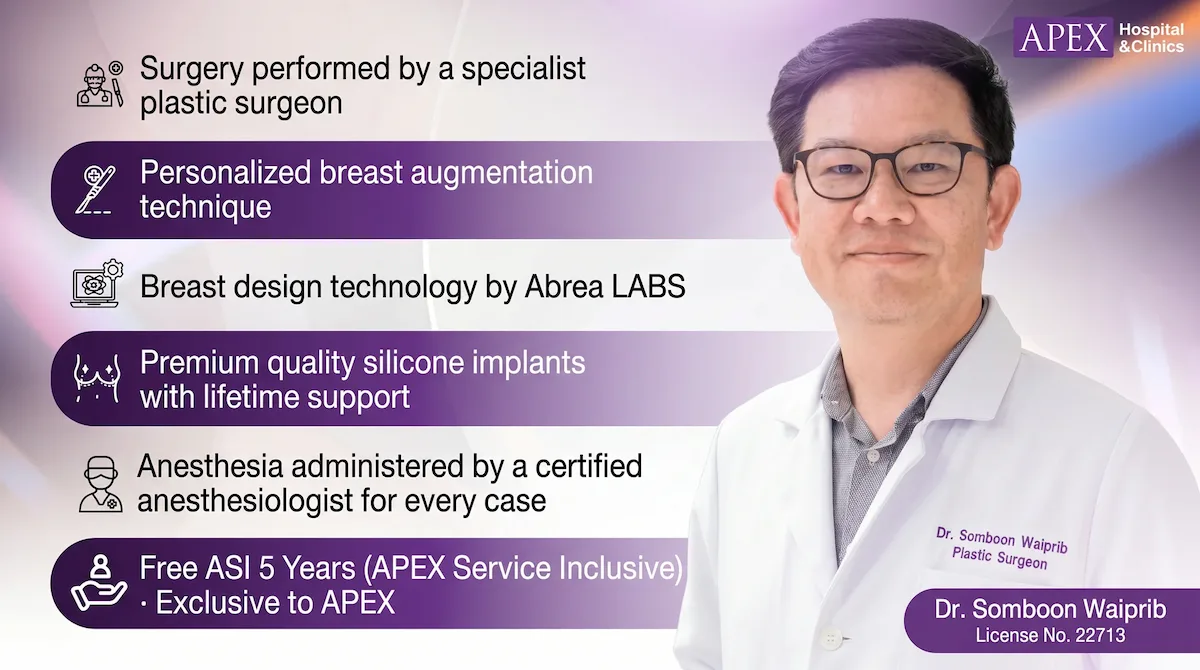
All procedures are performed by board-certified plastic surgeons with dedicated 1:1 care from professional anesthesiologists. Every surgery includes a personalized body analysis and custom design, along with a robust long-term post-operative follow-up and monitoring system.
Note: Prices are subject to change based on seasonal promotions and specific treatment plans. A medical evaluation is highly recommended before making a final decision.
Review of before and after breast augmentation results
Frequently Asked Questions about Breast Augmentation Surgery
Is breast augmentation very painful, and how long does the pain last?
How many days of recovery are needed before returning to normal life?
Most patients can return to light daily activities within 1–2 weeks. Strenuous exercise or heavy lifting should be avoided for approximately 4–6 weeks, depending on your healing progress and your surgeon’s specific advice.
How long do breast implants last? Do I need to replace them?
Modern implants typically have an average lifespan of 10–20 years. If there are no complications, replacement might not be immediately necessary, but regular check-ups with your surgeon are highly recommended to monitor the integrity of the implants.
When will the breasts settle into their final shape?
The breasts will gradually settle and begin to look more natural within 1–3 months. The most stable and definitive results are typically visible once you reach the 3–6 month post-operative mark.
When can I sleep on my side or stomach?
It is recommended to sleep on your back for the first 4–6 weeks. After this period, you may begin sleeping on your side; however, sleeping on your stomach should wait until the implants have fully settled and after a consultation with your doctor.
Can I breastfeed after breast augmentation?
In most cases, breastfeeding is still possible as implants are usually placed beneath the muscle, which does not interfere with the milk ducts. It is important to inform your surgeon if you have plans for pregnancy in the future.
Should I massage my breasts after surgery?
Massage requirements depend entirely on the type of implant and the surgical technique used. Smooth-surface implants may require a specific massage routine, whereas textured or velvet-surface implants generally do not. Always follow your surgeon’s specific instructions.
Summary
Breast augmentation is a versatile cosmetic surgery designed to refine breast size and shape through a variety of options, including different silicone placement techniques, high-quality brands like Mentor or Motiva, or the use of autologous fat. Choosing the most suitable method requires a careful assessment of individual anatomy and expectations through professional consultation. Ultimately, thorough pre-operative preparation and strict adherence to post-operative care are the most essential factors in achieving beautiful, natural-looking results while minimizing potential surgical risks.
Contact Channels
- Tel : 085 000 2001
- Line : @apexbeauty
- Tiktok : apexprofoundbeauty
- Facebook : APEX Hospital & Beauty Clinic
- Instagram : apexbeauty
- Youtube : Apex Beauty Clinic
- X (Twitter) : ApexProfound