
Facelift: Facial Rejuvenation and Sagging Reduction

Facelift surgery is a premier choice for individuals seeking to restore a youthful appearance by correcting wrinkles and sagging skin in the face and neck. At Apex Surgery, we utilize advanced medical technologies to ensure natural-looking results, minimal scarring, and a faster recovery process for our patients. This guide provides an in-depth look at everything from the types of procedures available to the essential steps for pre-operative preparation and post-surgical care.
What is a Facelift?
Understanding the mechanics of a facelift is essential for patients seeking a significant and long-lasting rejuvenation of their facial contours. This procedure goes beyond the surface to target the foundational layers of the face to restore a firmer and more youthful appearance.
A facelift (Rhytidectomy) is a surgical procedure designed to lift and tighten muscles to correct sagging in the face and neck. It focuses on restructuring the deep tissue layer known as the SMAS (Superficial Musculoaponeurotic System)—the fibrous and muscular layer that plays a vital role in skin firmness. By adjusting this deep structure, the surgery restores youthfulness, reduces sagging, and rebalances facial proportions for a natural, refreshed look.
What Areas Can be Lifted and What Problems Do They Solve?
Facelift surgery is highly customizable, allowing patients to target specific zones of concern across the forehead, face, and neck. Each procedure is designed to address unique signs of aging, ensuring that the results are balanced and harmonious.
- Forehead Lift: Tightens the skin and muscles above the brow, reducing forehead wrinkles and lifting sagging eyebrows. This corrects “hooded” eyes, making the eyes appear wider and more vibrant.
- Upper Facelift: Targets the cheekbones and the area around the eyes. It reduces fine lines and restores fullness to the cheeks, adding dimension and a refreshed glow to the face.
- Lower Facelift: Focuses on the cheeks and jawline to correct deep nasolabial folds, marionette lines, and jowls. This results in a sharper jawline and a firmer facial structure.
- Neck Lift: Corrects double chins and loose skin on the neck, as well as sagging neck muscles (platysmal bands). It creates a smooth, firm neck profile that blends naturally with the face.
Who is a Suitable Candidate for a Facelift?
Determining if a facelift is the right choice depends on an individual’s skin condition, age, and specific aesthetic goals. Identifying these criteria helps ensure that patients achieve the most satisfying and safe surgical outcomes.
- Individuals with visible facial sagging, particularly in the cheeks, jawline, and neck.
- People with deep wrinkles and a “aged” appearance that cannot be corrected by non-surgical methods.
- Individuals aged 40 and above who are experiencing age-related skin degradation.
- Those seeking results that last longer than non-invasive skin-tightening technologies.
- Individuals looking to improve their self-confidence and overall personality in daily life.
- Patients with realistic expectations who understand that surgery can rejuvenate but not stop the aging process entirely.
The Benefits of a Facelift
Beyond simply tightening the skin, a facelift provides a comprehensive range of physical and emotional improvements for the patient. From redefining facial contours to boosting self-esteem, the advantages of this procedure are profound and enduring.
- Significant Lifting: Effectively lifts sagging tissue to correct a “tired” or drooping facial appearance.
- Deep Wrinkle Reduction: Provides a more dramatic reduction in deep cheek folds, marionette lines, and jowls compared to other methods.
- Long-Lasting Results: Results typically last between 5 to 10 years, depending on individual skin quality and post-operative care.
- Defined Jawline: Sharpens the facial frame, which is ideal for those whose jawlines have become blurred due to sagging skin.
- Multi-Point Correction: Allows for the correction of sagging and wrinkles in multiple areas during a single surgical session.
- Restored Confidence: A more youthful and refreshed face often leads to increased confidence in social and professional environments.
What are the Different Facelift Techniques?
Advances in medical technology have led to a variety of specialized facelift methods tailored to different levels of sagging and desired recovery times. Exploring these techniques allows patients to work with their surgeons to find the most effective approach for their needs.
- Deep Plane Facelift (DFL): A technique that “unlocks” and repositions the deep SMAS layer for long-lasting, natural results. It is ideal for those with significant sagging who want a major transformation.
- Mini Facelift: Targeted at patients with mild to moderate sagging. It involves smaller incisions and offers a faster recovery time than a full facelift.
- Endoscopic Facelift: Uses a tiny camera to assist the surgeon, allowing for smaller incisions and reduced downtime.
- Facelift with Liposuction: Ideal for patients with excess fat in the face or chin area. This combines fat removal with skin tightening for a more contoured look.
- Laser Facelift: Utilizes laser technology to tighten the skin and stimulate collagen production. It is best suited for those with minor skin laxity.
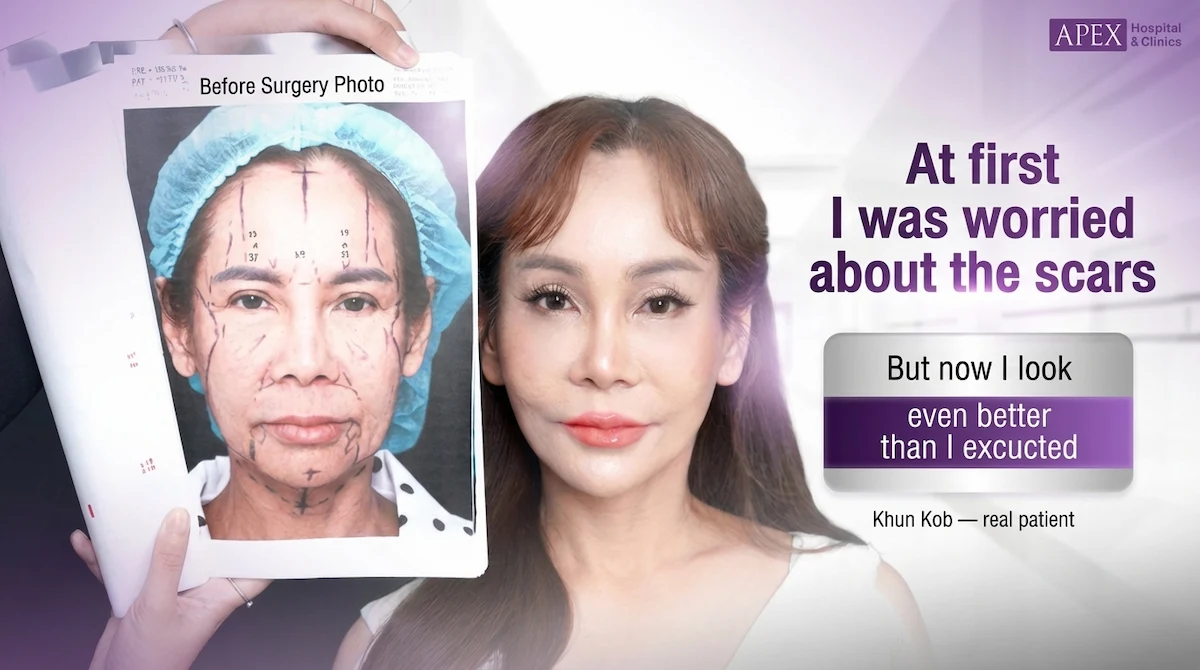
Characteristics of Facelift Scars
Modern surgical techniques focus heavily on minimizing visibility by strategically placing incisions within natural skin folds and hairlines. This ensures that while the lifting results are dramatic, the evidence of the surgery remains well-hidden from public view.
- Hidden along the temporal hairline: The incision begins at the temple or upper hairline, where the surgeon carefully aligns it with the natural hair growth pattern to ensure it blends in.
- Curving in front of the ear: The incision follows the natural curves and folds in front of the ear. It may also be hidden within the small fold of the ear cartilage (the Tragus).
- Wrapping behind the earlobe: From the front of the ear, the incision wraps around the back of the lobe, a soft area that conceals scars exceptionally well.
- Following the hairline behind the ear: The incision continues upward along the groove behind the ear and terminates within the hairline or at the back of the scalp.
- Under the chin: If a Neck Lift is performed simultaneously, a small, discreet incision may be placed in the natural crease under the chin.
Risks and Side Effects of a Facelift
While a facelift offers the most long-lasting results compared to non-surgical methods, it is still a major operation that carries inherent risks. Understanding these potential side effects is a crucial part of making an informed decision about your rejuvenation journey.
- Infection at the surgical site: This can occur if proper hygiene and wound care are not strictly maintained.
- Visible or hypertrophic (raised) scarring: Some individuals may develop more prominent scars depending on their skin type and healing process.
- Numbness or nerve impact: Temporary loss of sensation is common, though in rare cases, facial nerves can be affected.
- Hematoma or excessive swelling: A collection of blood under the skin may occur, often requiring medical attention to prevent further complications.
- Delayed wound healing: This is more frequently observed in smokers or patients with certain chronic health conditions.
- Facial asymmetry: Slight differences between the two sides of the face may occur during the healing or surgical process.
Preparing for Facelift Surgery
Physical and mental preparation is vital for ensuring a smooth surgical experience and a faster, less painful recovery. By following a strict pre-operative protocol, you can significantly reduce the risk of complications and optimize your final aesthetic results.
- Consult with a plastic surgery specialist: Discuss your aesthetic goals and realistic expectations for the outcome.
- Undergo a detailed physical exam: This includes blood tests and basic health screenings to ensure you are fit for surgery.
- Discontinue certain medications: Stop taking blood thinners, anti-inflammatory drugs, or specific herbal supplements as directed by your doctor.
- Abstain from smoking and alcohol: You must stop these at least 2 weeks before surgery to ensure proper blood flow and healing.
- Plan your recovery time: Arrange for time off work and secure a caregiver to assist you during the initial days of recovery.
- Study post-operative care: Educate yourself on how to properly clean and protect your incisions to ensure the best possible scar healing.
The Steps of the Facelift Procedure
A facelift is a high-precision procedure that focuses on both deep-tissue structural lifting and the natural concealment of surgical marks. On the day of your surgery, the process is divided into four critical stages to ensure your safety and aesthetic success.
- Evaluation and Surgical Design: The surgeon will re-evaluate your facial structure and mark the incision lines and SMAS lifting points to ensure the most natural and balanced result.
- Anesthesia: Generally, the procedure is performed under general anesthesia to ensure patient comfort and safety. The Apex Surgery anesthesiology team monitors you closely throughout the entire process.
- Incisions and Deep Tissue (SMAS) Lifting: The surgeon makes the incisions around the ears and hairline to access the SMAS layer. This deep muscle layer is lifted and tightened, and excess skin or fat is removed to redefine the facial contours.
- Suturing and Drainage: Once the deep layers are secured, the surgeon uses fine sutures to close the skin for a seamless look. Drainage tubes may be inserted to prevent blood accumulation, and a compression bandage is applied to minimize swelling.

How to Care for Yourself After a Facelift
Diligent self-care following your surgery is the most important factor in achieving optimal results and ensuring a smooth recovery. By strictly adhering to post-operative guidelines, you help your body heal faster and can return to your daily life with confidence.
- Strictly follow all medical instructions: Adhere to the specific medication and wound care schedule provided by your surgeon.
- Avoid exercise and heavy lifting: Refrain from strenuous physical activity for at least 4–6 weeks to prevent strain on the incisions.
- Maintain wound hygiene: Keep the surgical areas clean and avoid touching the incisions directly to minimize the risk of infection.
- Sleep with your head elevated: Use extra pillows to keep your head higher than your chest, which significantly helps reduce post-operative swelling.
- Abstain from smoking and alcohol: These substances can impair blood circulation and delay the healing process, increasing the risk of complications.
- Protect your skin from the sun: Use high-SPF sunscreen and wear a wide-brimmed hat to shield your sensitive skin from UV damage during the healing phase.
Choosing a Facelift Hospital: Key Considerations
A facelift is a sophisticated procedure that requires both a surgeon’s artistic skill and a facility’s high safety standards. When selecting where to have your surgery, it is essential to prioritize medical excellence and a proven track record of patient safety.
- Surgeon Expertise: Your surgeon should be a board-certified plastic surgery specialist with extensive experience in facial anatomy and a portfolio of natural-looking results tailored to individual facial structures.
- Facility Standards: The surgery should take place in a fully licensed hospital or clinic featuring sterile operating rooms and advanced safety systems, such as Apex Medical Center.
- Individualized Treatment Planning: A high-quality facility does not use a “one size fits all” approach. The surgeon must evaluate your unique facial concerns to design a customized surgical plan.
- Comprehensive Post-Operative Care: A reliable hospital provides a dedicated follow-up system to monitor your recovery and ensure your safety until you are fully healed.
- Reliability and Real Reviews: Consider real patient testimonials and “before and after” photos. However, always verify these reviews alongside official medical licenses and the clinic’s professional reputation.
How Much Does a Facelift Cost?
The cost of a facelift is determined by the specific surgical technique used, the extent of the areas being treated, and the unique needs of each patient. Because every face is different, a personal consultation is required to provide an accurate price based on the highest standards of safety and care.
The final pricing typically includes the following factors:
- The surgeon’s professional fees and the anesthesiology team.
- The specific technique (e.g., Deep Plane, Mini Facelift, or Neck Lift).
- Operating room fees and medical supplies.
- Post-operative medication and follow-up care packages.
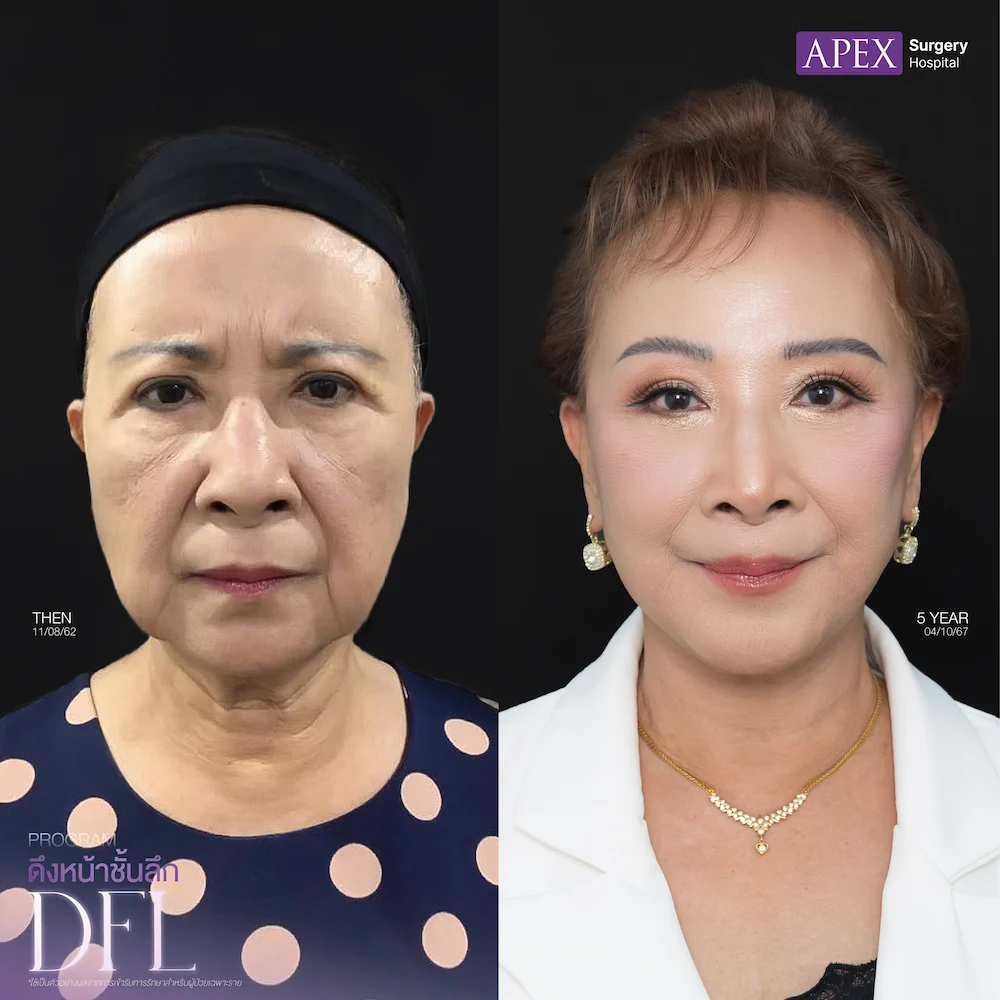
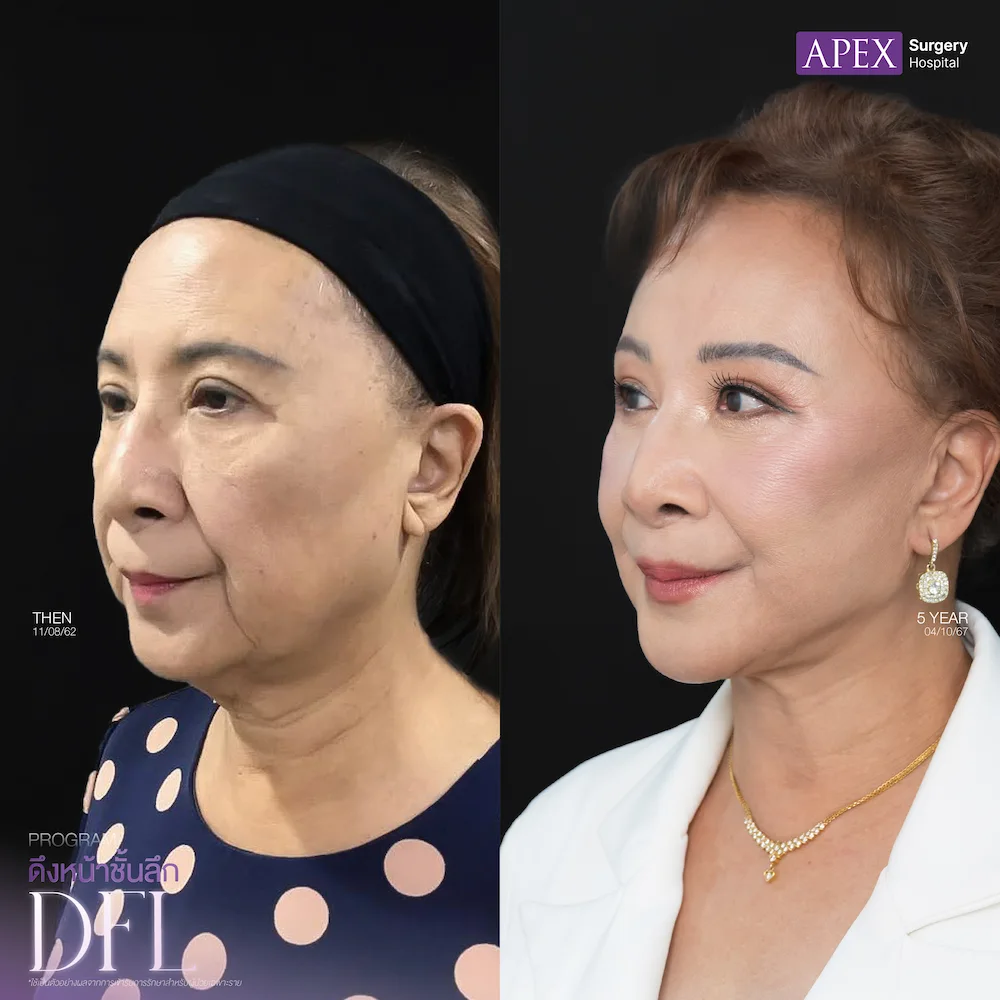
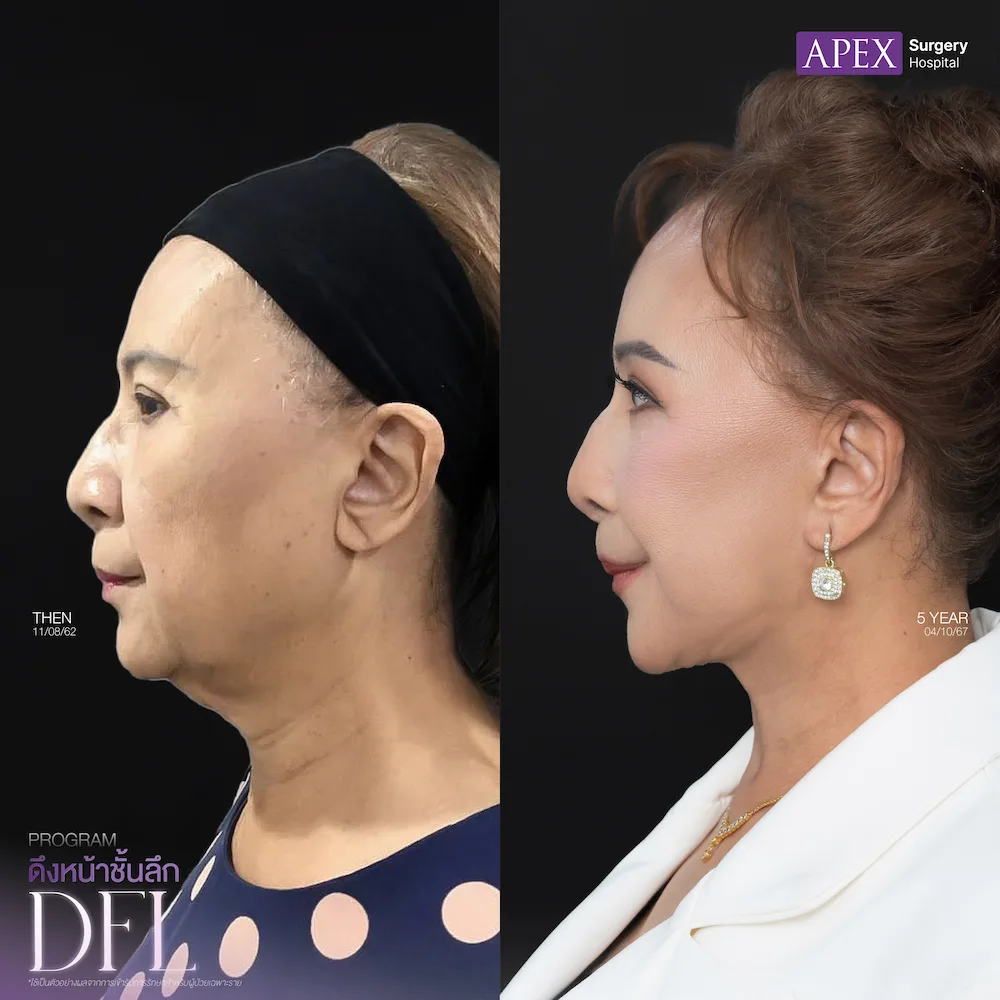
Review Before - After Facelift Program




Frequently Asked Questions (FAQ) about Facelift
Finding clear answers to your concerns is a vital part of preparing for surgery and ensuring a smooth recovery. This section addresses the most common questions regarding safety, durability, and the surgical process of a facelift.
Is a facelift painful?
Managing physical discomfort is a primary concern for patients considering a major surgical procedure like a facelift. Understanding the anesthetic process and post-operative pain management helps ease anxiety and prepares you for the journey.
During the surgery, patients will not feel any pain as they are under general anesthesia or sedation. Once the anesthesia wears off, there may be some pain, tightness, and numbness. However, the pain is at a level that can be effectively managed with prescribed pain medication, and these symptoms typically improve within a few days.
How many years does a facelift last?
The longevity of a facelift’s results is one of its most attractive benefits compared to temporary non-surgical alternatives. While no procedure can stop time, several factors influence how many years of youthfulness you can expect to maintain.
The duration of facelift results depends on several factors, including the technique used, age, skin condition, lifestyle habits, and post-operative care. Generally, facelift results are long-lasting, typically ranging from 5 to 15 years.
How many days of recovery are needed?
Planning your recovery timeline is essential for coordinating work schedules and ensuring you have sufficient time for tissue healing. Most patients find that they can resume their social activities much sooner than they initially expected.
Special care is required during the first 7 days, with a total recovery period of approximately 2 to 4 weeks. Patients can return to light activities within one week but should avoid strenuous exercise and intense sunlight during the recovery phase.
Can I have a second facelift if I've had one before?
As natural aging continues over the decades, some patients consider a secondary procedure to maintain their rejuvenated look. Knowing the appropriate timing and structural considerations for a repeat surgery is key to safety and aesthetics.
Yes, it is possible, but there must be an appropriate interval from the previous surgery—typically 7 to 10 years or more. As skin and facial structures continue to sag with age, a secondary facelift can be performed, though it requires a thorough evaluation by a plastic surgeon first.
Can a facelift cure aging?
It is important to distinguish between reversing the visible signs of time and altering the biological aging process. A facelift addresses the external evidence of aging while the body’s natural cellular changes continue to progress.
A facelift cannot cure aging or stop the aging process; it only makes your external appearance look younger than your actual age. While it corrects visible signs such as sagging and deep wrinkles, the natural aging of cells and bodily structures will continue according to nature.
What are the risks or complications?
Like any surgical intervention, being aware of potential risks allows for better preparation and swifter action if issues arise. Most common side effects are temporary and part of the normal healing response of the body.
Common risks include swelling, bruising, or temporary localized numbness, which improve over time. Rare cases may involve infection or scarring that requires additional medical attention or specialized care.
Can a facelift be combined with other surgeries?
Many patients choose to address multiple areas of concern at once to achieve a more comprehensive and balanced facial rejuvenation. Combining procedures can often result in a more harmonious outcome with a single recovery period.
Yes, it can be combined with eyelid surgery (blepharoplasty), brow lifts, or fat grafting to balance and complete the facial restoration. The surgeon will design a personalized plan tailored to the specific needs and desires of the patient.
Summary
Facelift surgery is an effective choice for those seeking to restore youthfulness with clear and significant results, especially for individuals with sagging skin on the face and neck or deep wrinkles that non-surgical methods cannot resolve. The advantages include long-lasting, natural-looking results that significantly boost self-confidence and personality. However, the decision should involve thorough preparation, a clear understanding of the procedure’s limitations, and strict adherence to the surgeon’s pre- and post-operative advice for the best possible outcome.
If you are interested in a facelift at Apex Medical Center or wish to consult on whether your case is suitable for a facelift, you can schedule an appointment to speak with our plastic surgeons before making your decision.
Contact Information
- Tel : 085 000 2001
- Line : @apexbeauty
- Tiktok : apexprofoundbeauty
- Facebook : APEX Hospital & Beauty Clinic
- Instagram : apexbeauty
- Youtube : Apex Beauty Clinic
- X (Twitter) : ApexProfound
Disclaimer : Results vary depending on the individual. Terms and conditions apply as specified by the company.
Service Location : Services are available at APEX Surgery Hospital (Ploenchit Branch).